Aesthetic medicine continues to evolve rapidly, and 2026 is shaping up to be a year defined not by dramatic transformations but by smarter, more integrated, and biology-inspired rejuvenation. As patients become better informed and more focused on long-term skin health, the industry is moving toward treatments that support regeneration, subtle enhancement, and structural integrity rather than quick fixes or temporary camouflage.
Today’s trends reflect this shift: patients want results that feel natural, sustainable, and tailored to their individual anatomy and goals. From collagen-stimulating therapies and regenerative approaches to advanced energy technologies and minimally invasive lifting options, the landscape of rejuvenation in 2026 is all about harmonizing multiple modalities for superior outcomes.
Prevention Becomes the Foundation of Rejuvenation
One of the most important shifts in aesthetics is the move from correction to prevention. Instead of waiting for visible sagging, deep lines, or significant volume loss, treatment plans are now designed to support the skin earlier and more consistently.
Preventive aesthetics focuses on maintaining collagen, skin density, and elasticity before major changes occur. This approach helps slow the visible signs of aging and reduces the need for more aggressive interventions later. Treatments such as collagen stimulators, regenerative injectables, and energy-based therapies are used proactively to support skin strength and resilience.
By addressing aging as a gradual process rather than a sudden problem, patients experience more natural results that evolve with them over time.
Collagen Stimulation Remains a Core Focus
Collagen remains at the center of nearly every major rejuvenation trend in 2026. As the skin’s primary support structure, collagen directly affects firmness, elasticity, and overall skin quality. Modern treatments are designed to stimulate collagen at multiple depths to create results that last.
Biostimulators such as Sculptra encourage the body to gradually rebuild its own collagen framework. Regenerative treatments like PRF use growth factors derived from the patient’s own blood to support tissue repair and improve skin quality. These treatments do not simply add volume or temporarily smooth the skin. Instead, they work with the body’s natural processes to strengthen the skin from within.
Energy-based treatments also play a key role in collagen stimulation. Non-ablative and hybrid laser technologies trigger collagen renewal while improving texture and tone. When combined thoughtfully, these treatments support both immediate improvement and long-term structural change.
This collagen-first philosophy reflects a more sustainable approach to rejuvenation, prioritizing skin quality and structure over surface refinement.
Subtle, Natural, and Personalized Enhancements
Patient preferences continue to shift toward subtlety and balance. In 2026, aesthetic success is measured less by visible change and more by how natural and well-integrated results appear.
Injectables are being used more conservatively and strategically. Micro-dosed neuromodulators help soften expression lines while preserving movement. Biostimulatory fillers are chosen not only for volume, but for how they support the skin’s underlying structure over time. The emphasis is on harmony rather than isolated correction.
Personalization has become essential. Instead of relying on a single procedure, clinicians are combining treatments based on individual anatomy, skin condition, and aging patterns. A patient may benefit from collagen stimulation, regenerative support, and skin-quality treatments working together rather than from a single standalone solution.
This approach allows results to develop gradually and naturally, avoiding the overtreated look while still delivering meaningful improvement.
Energy-Based Therapies Get Smarter and More Precise
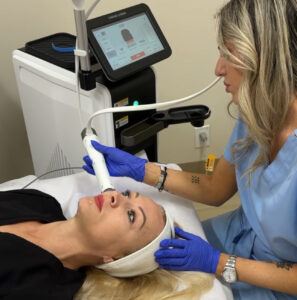
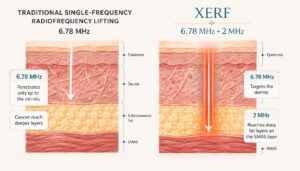
Energy-based technologies have evolved into more refined, targeted technologies. Rather than aggressive treatments with extended downtime, newer devices deliver controlled energy to specific layers of the skin with greater precision.
Laser treatments are now used to improve skin quality, stimulate collagen, and refine texture without unnecessary disruption. Ultrasound-based technologies, such as Ultherapy, target deeper structural layers, supporting firmness in areas prone to laxity. These treatments are often used as part of a broader plan rather than as one-time solutions.
The goal is not to replace injectables or regenerative treatments, but to complement them. Energy-based therapies help maintain skin structure and quality, allowing other treatments to work more effectively and last longer.
Endolift and the Rise of Minimally Invasive Structural Treatments
Another major trend in 2026 is the rise of minimally invasive treatments that address skin laxity and contour from within. Endolift represents this shift by targeting deeper tissue layers without surgery.
Endolift uses laser energy delivered through ultra-thin fibers placed beneath the skin. This approach stimulates collagen, improves firmness, and helps refine contours while minimizing downtime. Rather than surgically lifting the skin, Endolift supports the skin’s structure internally, allowing results to develop naturally over time.
At Glamor Medical, Endolift has been incorporated into personalized treatment plans as part of a comprehensive rejuvenation strategy. It is often combined with collagen-stimulating, regenerative, and skin-quality treatments to enhance overall results. This integration reflects how modern aesthetics is practiced today: layered, thoughtful, and focused on long-term skin health rather than isolated fixes.
A More Intelligent Way to Approach Aging
The rejuvenation trends of 2026 highlight a more intelligent and measured approach to aesthetics. Prevention, collagen support, regeneration, and precision technologies work together to maintain skin quality and structure over time.
Rather than relying on dramatic interventions, modern treatment plans emphasize consistency, personalization, and long-term results. By gradually and strategically addressing aging, patients can maintain a refreshed, balanced appearance that evolves naturally with them.